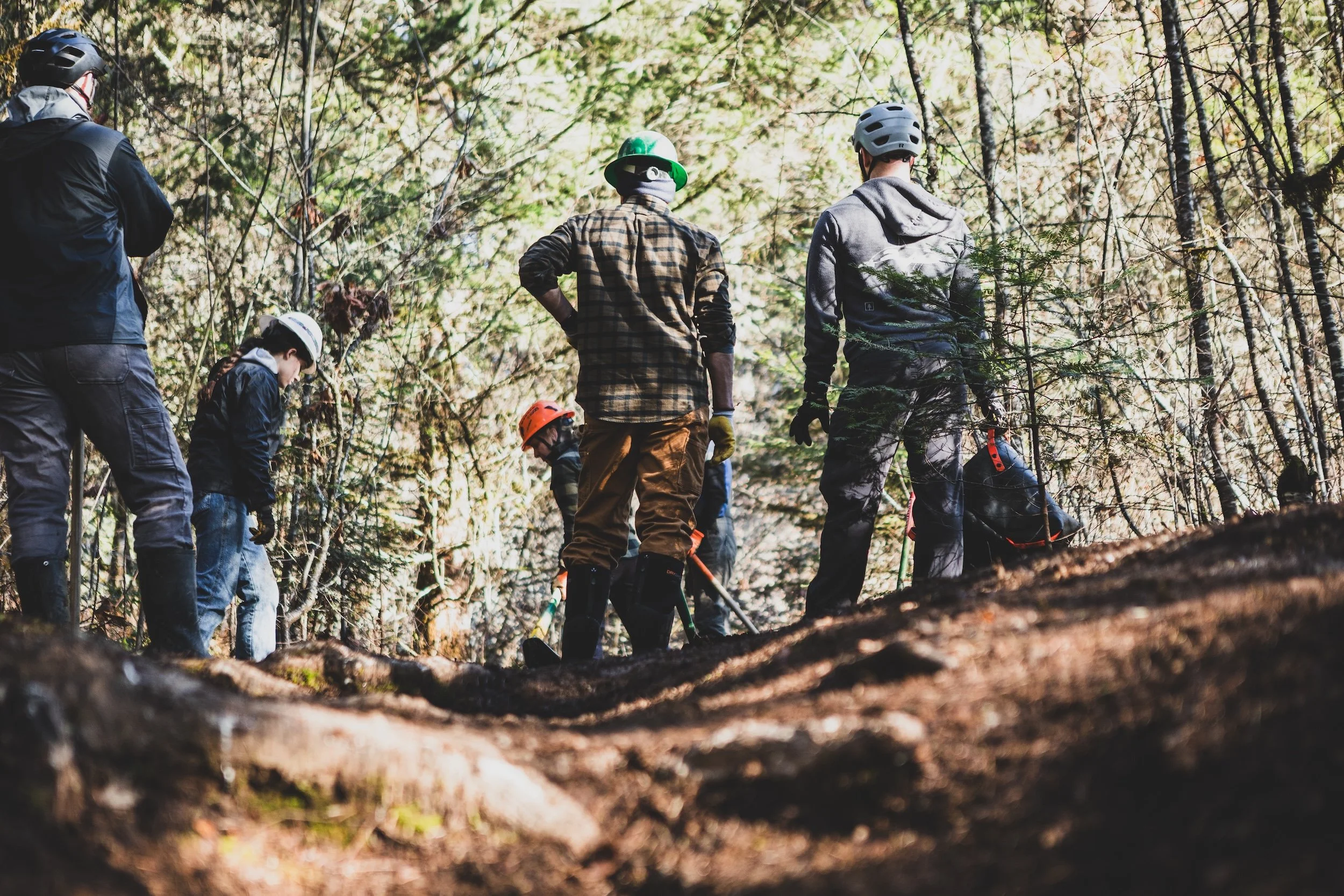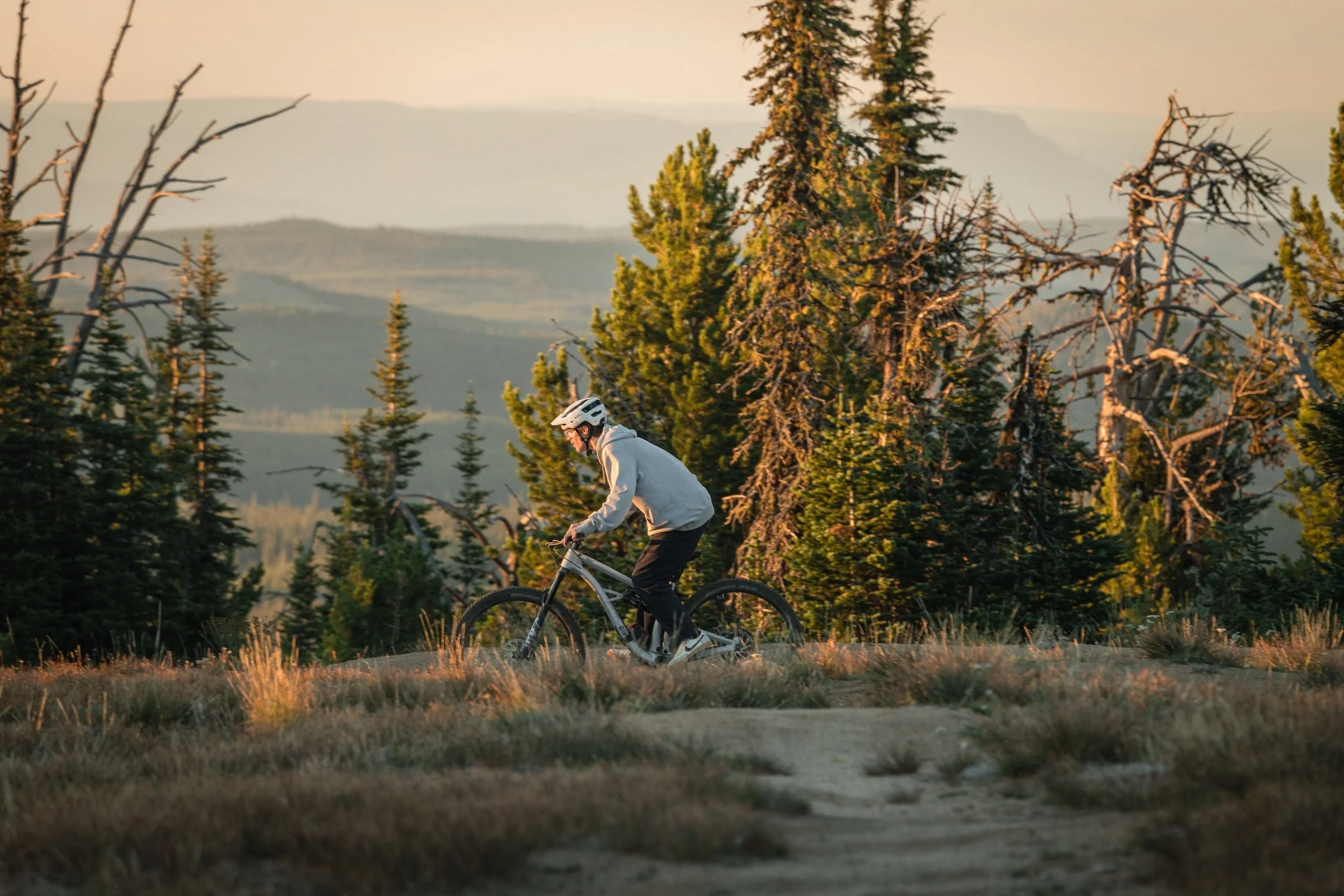
Trail Builder is a magazine dedicated to mountain bike trails and those who build, maintain, and advocate for them.
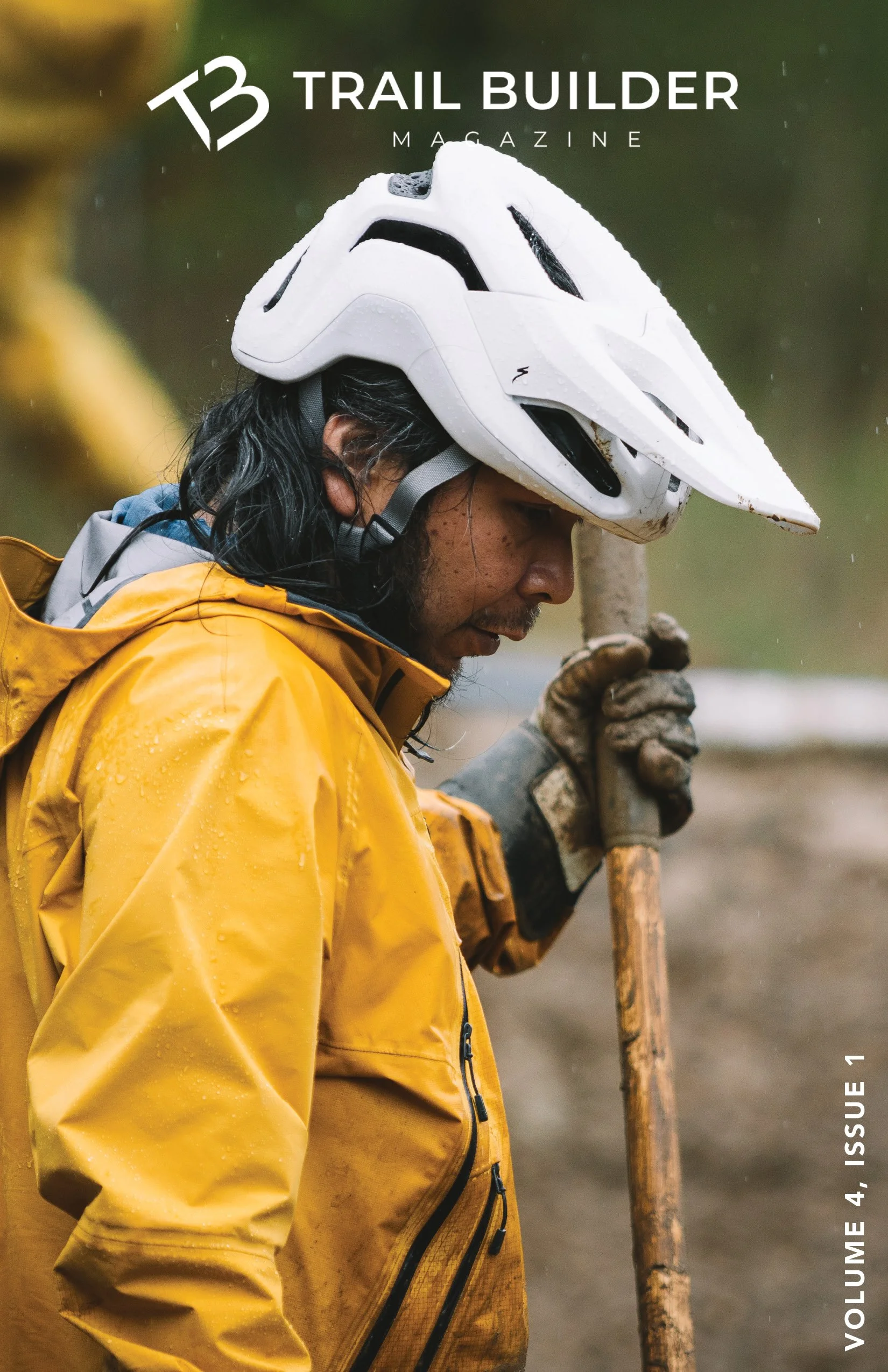
Volume 4, Issue 1
Inside Volume 4, Issue 1, there are six feature articles and a comic: (1) The Process with Mark Matthews by Mathew Wanbon, (2) Trailwork for Me, for You Too, But for Me by Alex Perales, (3) Trail Tension by Camden Benesh, (4) After the investment: The Work It Takes to Keep a Trail Alive by Brett Johnson, (5) Black Gold and Fast Lines: Inside the Dual Life of Niels Bensink by Colin Field, (6) Preliminary Evidence that Trail Fairies Do Not Exist by Sébastien Houde, and (7) Trail-Bound: From Wild Trails to World-Class Destinations – Scotland’s MTB Revolution by Illya Rudkin
Latest Articles and Reviews
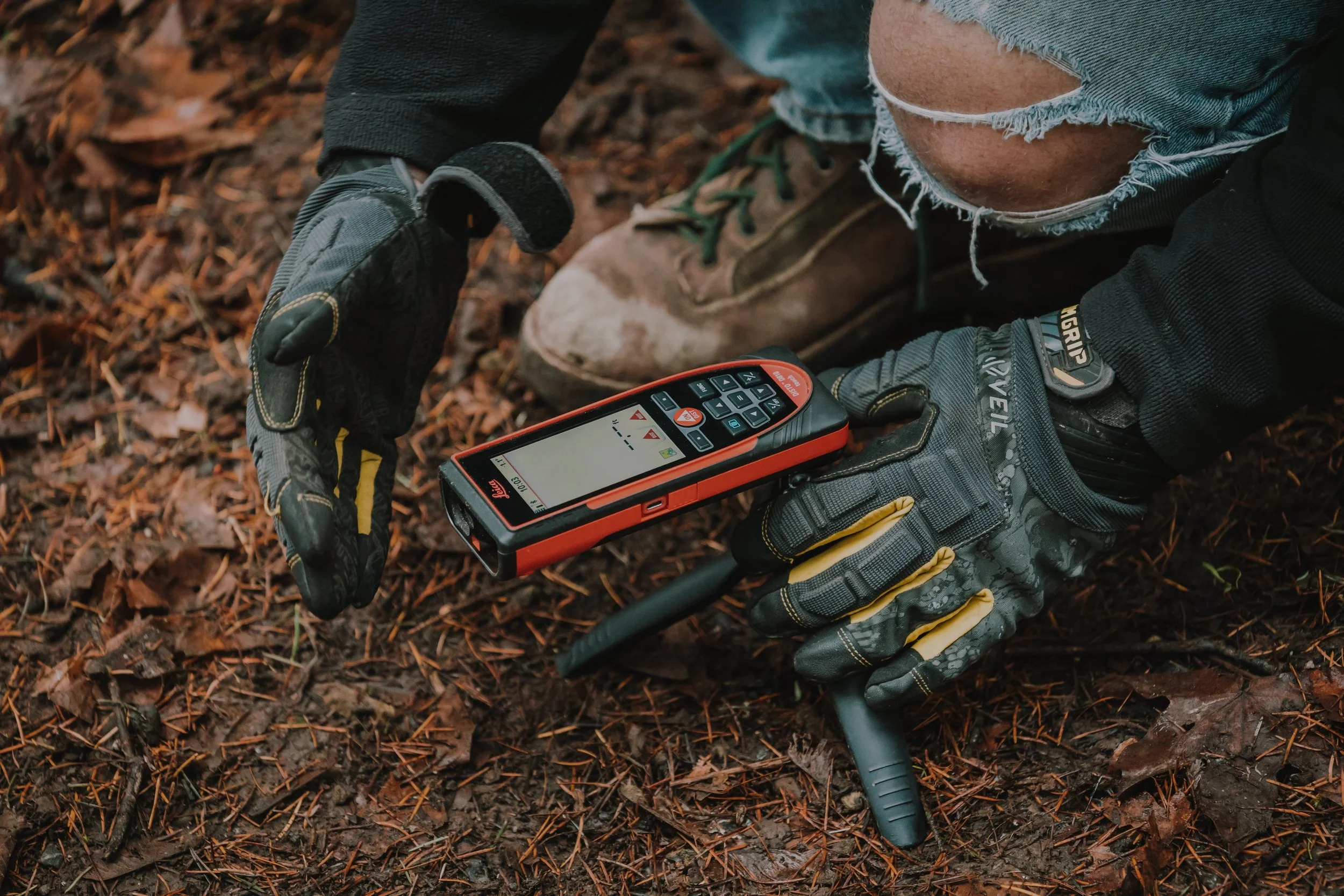
In the world of trail building, having the right tools directly translates to a better trail experience. But what if you could have a high-quality, multi-use tool that also fits in your backpack?
Enter the Trailtool Pocket, a versatile French-made tool including a collapsible shaft with a variety of heads. I’ve been using the saw, shovel, and their custom McLeod-like attachments.
Let’s dive in.
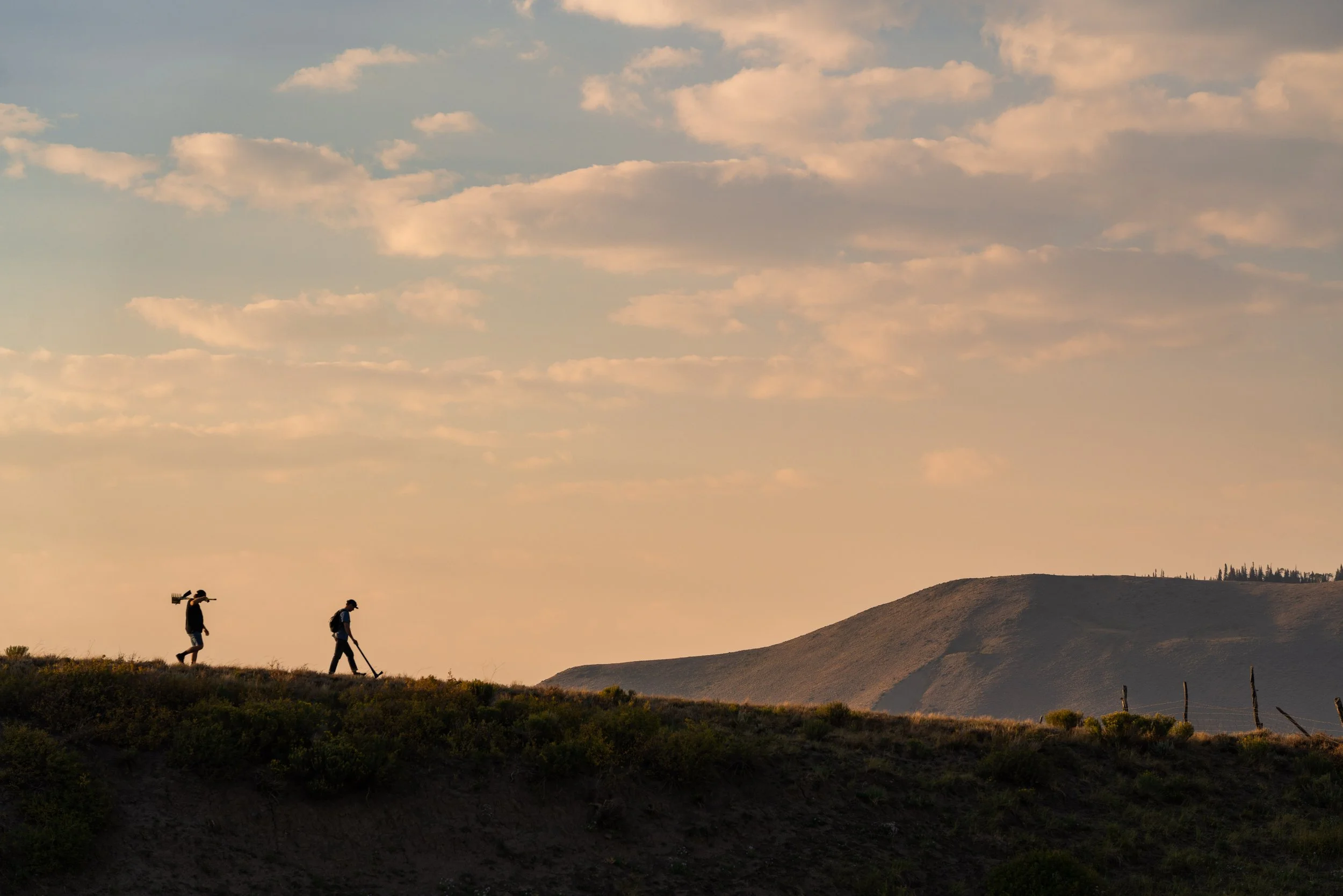
In the mountains of southern New Mexico, the difference between sanctioned and unsanctioned trails is not particularly close.
One local builder estimates that unofficial trails outnumber sanctioned trails by roughly ten to one. That ratio reflects a deeper divide over what kinds of trails should exist, who they should serve, and how long riders are expected to wait for something different.
Yes, there are sanctioned trails in the area. However, what is missing, according to the builder, are trails designed specifically for mountain bikes, particularly trails that challenge advanced riders.
The closest bike-specific trails are approximately 40 miles away and sit between 1,500 and 2,000 feet lower in elevation. During the summer, when temperatures rise across southern New Mexico, those lower-elevation trails can become uncomfortably hot.
For riders seeking steep, technical, and challenging terrain closer to home, the official network offers few options.
So they build their own.
Every trail builder knows the feeling.
A section has been damaged by water. Braking bumps have grown into deep holes. Rocks are pushing through the tread. A corner that once flowed now feels rough, loose, and tired.
The problem may be obvious. The harder question is what it will take to fix it.
Maybe the crew is working deep in the woods where hauling fresh material is difficult. Maybe a trail center cannot afford to keep a popular line closed for a week. Maybe the builders have the right machine on site, but not the right way to process the material beneath them.
This is the problem PTH Products hopes to address with the PTH Excavator Crusher EC-S, a compact attachment designed for mini excavators.
Mountain bike trails and bikepacking routes can create opportunities for rural communities. Long-term success, however, depends on earning the support of the people who already call those places home.
For years, advocates have argued that mountain biking can transform rural communities.
Now, new economic data from Tasmania suggests that, under the right conditions, that argument is no longer just aspirational. It is measurable.
A recently released economic impact report found that Maydena Bike Park generated an estimated $53.96 million annually for the Tasmanian economy, accounting for nearly 46% of the state’s entire mountain bike tourism economy. Of that total, $45.1 million came from interstate and international visitors, bringing significant new spending into the region.
Every time we cut a new trail through the woods, not only are we changing the landscape, but we’re also changing the future of the communities that surround it.
Most of us don’t show up to a dig day thinking about hotel occupancy rates, tax revenue, or rural economic development. We’re thinking about drainage, sightlines, sustainable grades, rockwork, and building the best trail we can. And that’s exactly how it should be.
But whether we intend it or not, every trail eventually becomes part of a community’s story. In some places, it even becomes part of its economy.
That idea has fascinated me for years.
Latest News and Press Releases
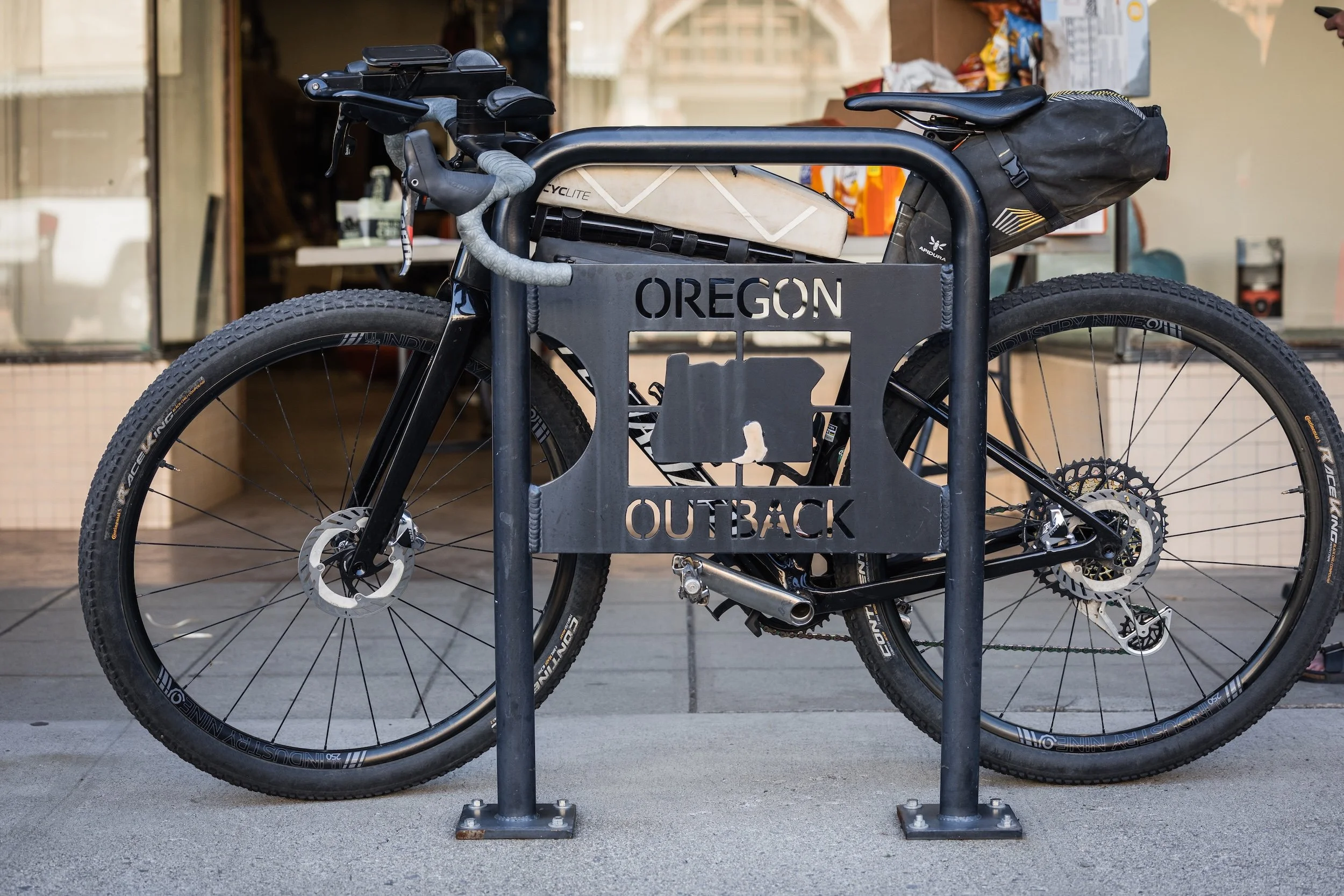
A rider crossing the Oregon Timber Trail’s Fremont Tier may remember the views, the solitude, and the sense of adventure that come from traveling through one of the most remote landscapes in the West.
What they may not think about is the work required to make that journey possible.
Volume 4, Issue 1 continues our mission to inspire, inform, and connect trail builders around the world around the common goal of building, maintaining, and advocating for more trails. What started as an idea to create a voice for trail builders has grown into something much larger: a global community of volunteers, professional builders, advocates, riders, nonprofit organizations, and industry leaders who believe trails matter.
There’s something happening right now in the trail world.
You can feel it.
It shows up in the stories that land in my inbox. In the DMs from readers. In the quiet momentum building in places most people would never think to look.
Different places. Same thread.
And in putting together Volume 4, Issue 1 of Trail Builder Magazine, that thread became impossible to ignore.
Across the country, nonprofit trail organizations are doing extraordinary work.
They coordinate volunteers.
Work with land managers.
Write grants.
Maintain access.
Advocate for responsible growth.
Most are doing it with limited staff and limited time.
At Trail Builder Magazine, we believe supporting trail builders means more than telling their stories. It means creating practical tools that help trail organizations become more effective.
Today, we’re releasing a new free resource built specifically for volunteer-led and small-staff trail organizations:
The Trail Organization Social Media Playbook: A Practical System to Grow Volunteers, Donors, and Community Support.
Many rural communities believe in trails.
What they often lack is not vision or volunteer energy, but capacity. Professional planning. Technical expertise. Strategic direction. The kind of groundwork that helps trail projects move from good ideas to fundable, buildable realities.
That is exactly where the 2026 Trail Accelerator Grants from the International Mountain Bicycling Association come in.
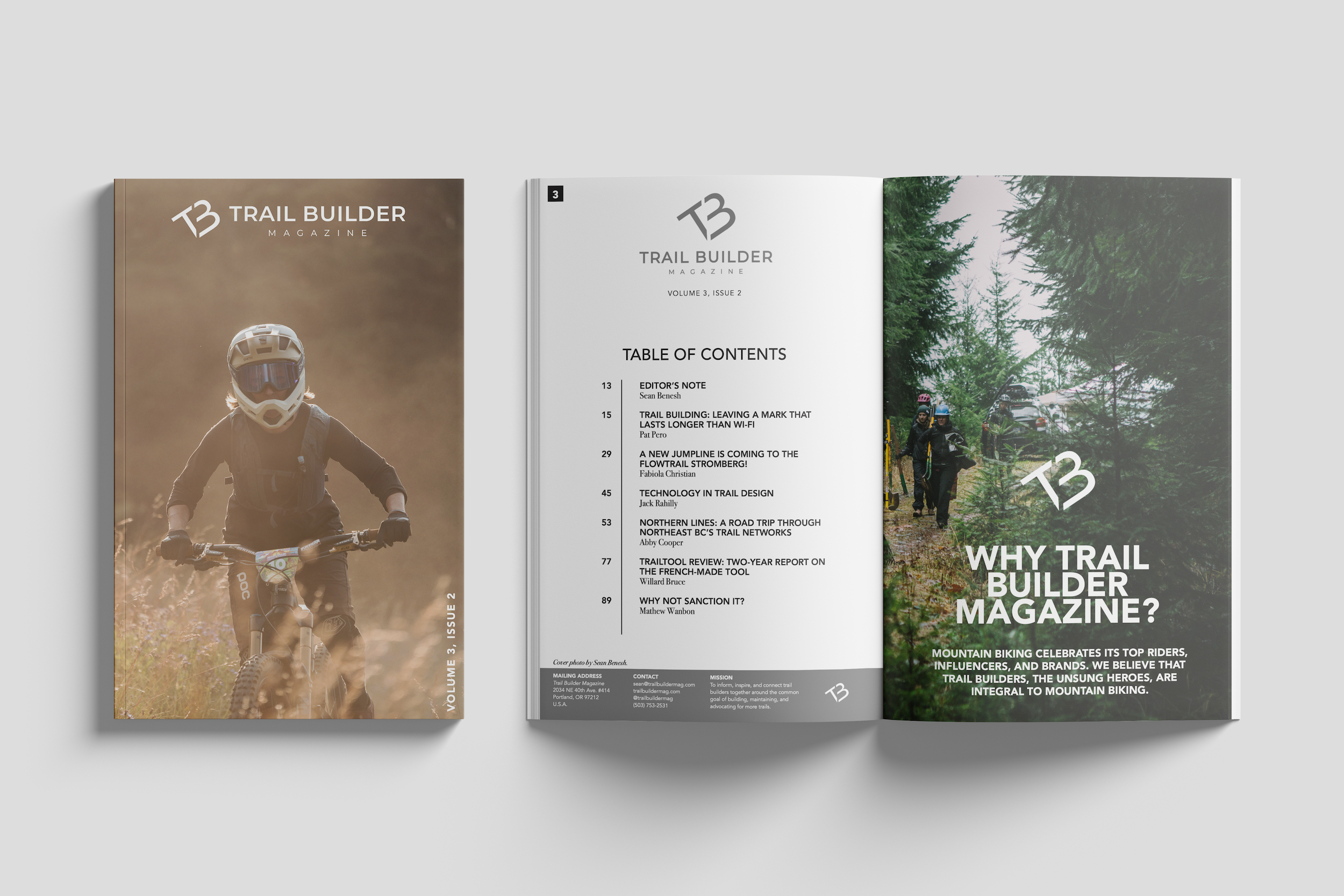
Trail building is evolving, and Volume 3, Issue 2 of Trail Builder Magazine reflects that shift through six feature stories on trail building, technology, tools, and global trail communities. From long-term stewardship to new jumplines, from digital design tools to remote trail networks, this issue explores how trails are being planned, built, and cared for today.